
The Department of Kayachikitsa is the principal clinical department of Ayurveda, dedicated to the diagnosis,
treatment, and comprehensive management of diseases through classical Ayurvedic principles integrated with
evidence-based clinical practice. Kayachikitsa, meaning "Internal Medicine," focuses on restoring health by
maintaining the balance of Dosha, Dhatu, Mala, Agni, Ojas, and Srotas.
The department provides extensive clinical exposure through well-established OPD and IPD services, enabling
students to develop strong diagnostic skills, clinical reasoning, and patient-centred treatment planning.
Students receive hands-on training in classical Ayurvedic therapeutics, Panchakarma, Rasayana, lifestyle
modification, and integrative patient care under the guidance of experienced faculty.
To be a centre of excellence in Ayurvedic Internal Medicine, delivering outstanding education, clinical care, research, and holistic patient management while preserving the authentic principles of Ayurveda.
To impart comprehensive education in Ayurvedic Internal Medicine.
To develop clinically competent and compassionate Ayurvedic physicians.
To integrate classical Ayurvedic knowledge with evidence-based clinical practice.
To promote research, innovation, and ethical patient care.
To encourage lifelong learning and professional excellence.
To develop expertise in diagnosing and managing acute and chronic diseases.
To strengthen clinical reasoning using Ayurvedic diagnostic principles.
To integrate Panchakarma, Rasayana, Pathya-Apathya, and lifestyle interventions into patient care.
To prepare students for independent clinical practice and postgraduate education.
Understand Nidana, Samprapti, and Chikitsa Siddhanta of diseases.
Develop competency in Ayurvedic clinical examination and diagnosis.
Formulate individualized treatment plans based on Ayurvedic principles.
Integrate Panchakarma and external therapies with internal medicine.
Promote preventive, promotive, curative, and rehabilitative healthcare.
Encourage evidence-based practice and clinical research.
Bachelor of Ayurvedic Medicine and Surgery (BAMS)
Subjects: Kayachikitsa (NCISM Curriculum)
General Medicine (Kayachikitsa)
Jwara (Fever)
Prameha (Diabetes)
Amavata (Rheumatic Disorders)
Sandhivata (Osteoarthritis)
Amlapitta and Gastrointestinal Disorders
Skin Diseases (Kushtha)
Respiratory Disorders
Lifestyle and Metabolic Diseases
Rasayana and Vajikarana
Panchakarma Integration
Pathya-Apathya and Lifestyle Medicine
Interactive classroom lectures
Bedside clinical teaching
OPD and IPD clinical postings
Case-based discussions
Clinical demonstrations
Seminars and journal clubs
Evidence-based learning
Audio-visual teaching and digital learning resources
Well-equipped OPD and IPD services
Dedicated Panchakarma Unit
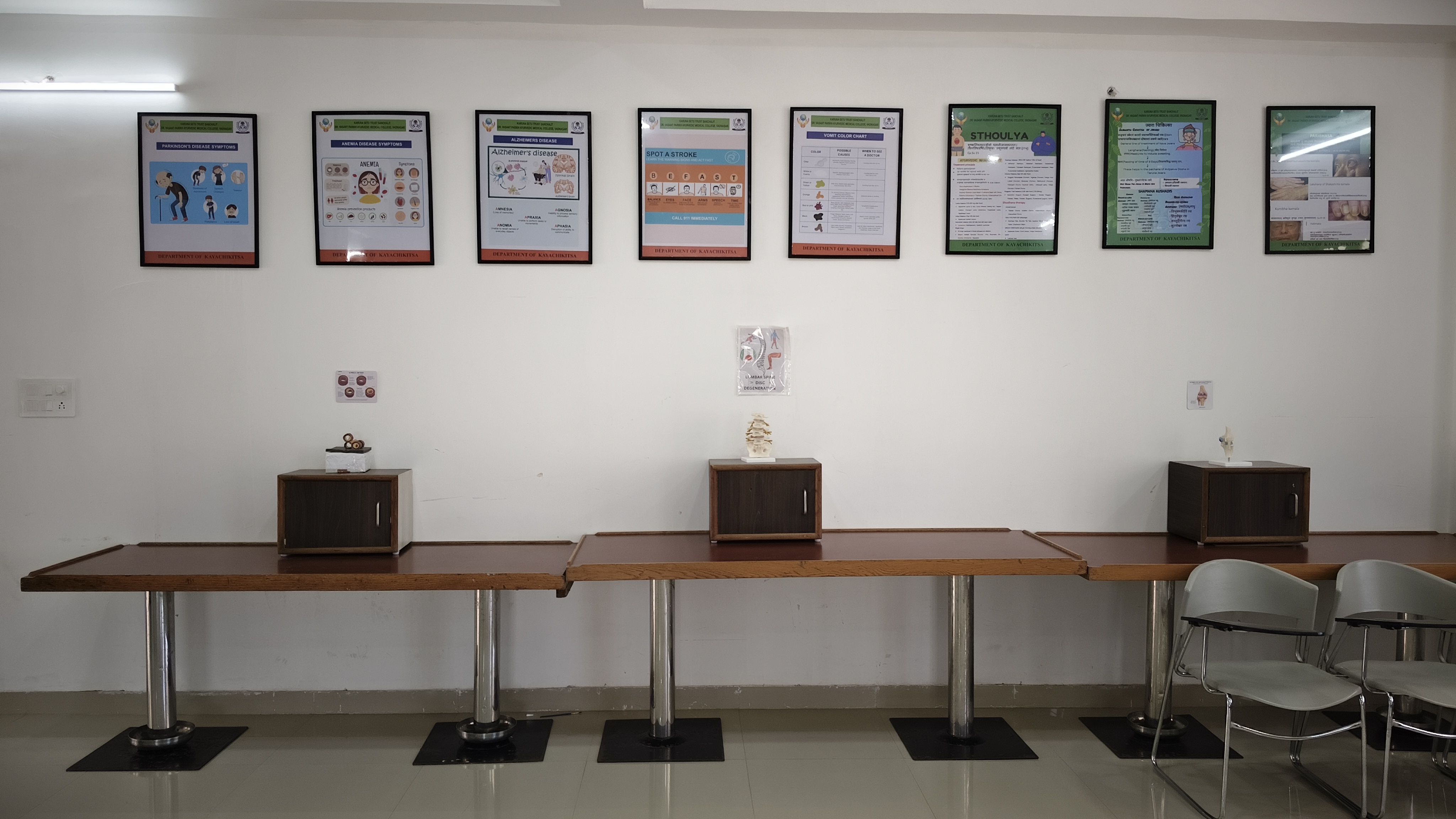
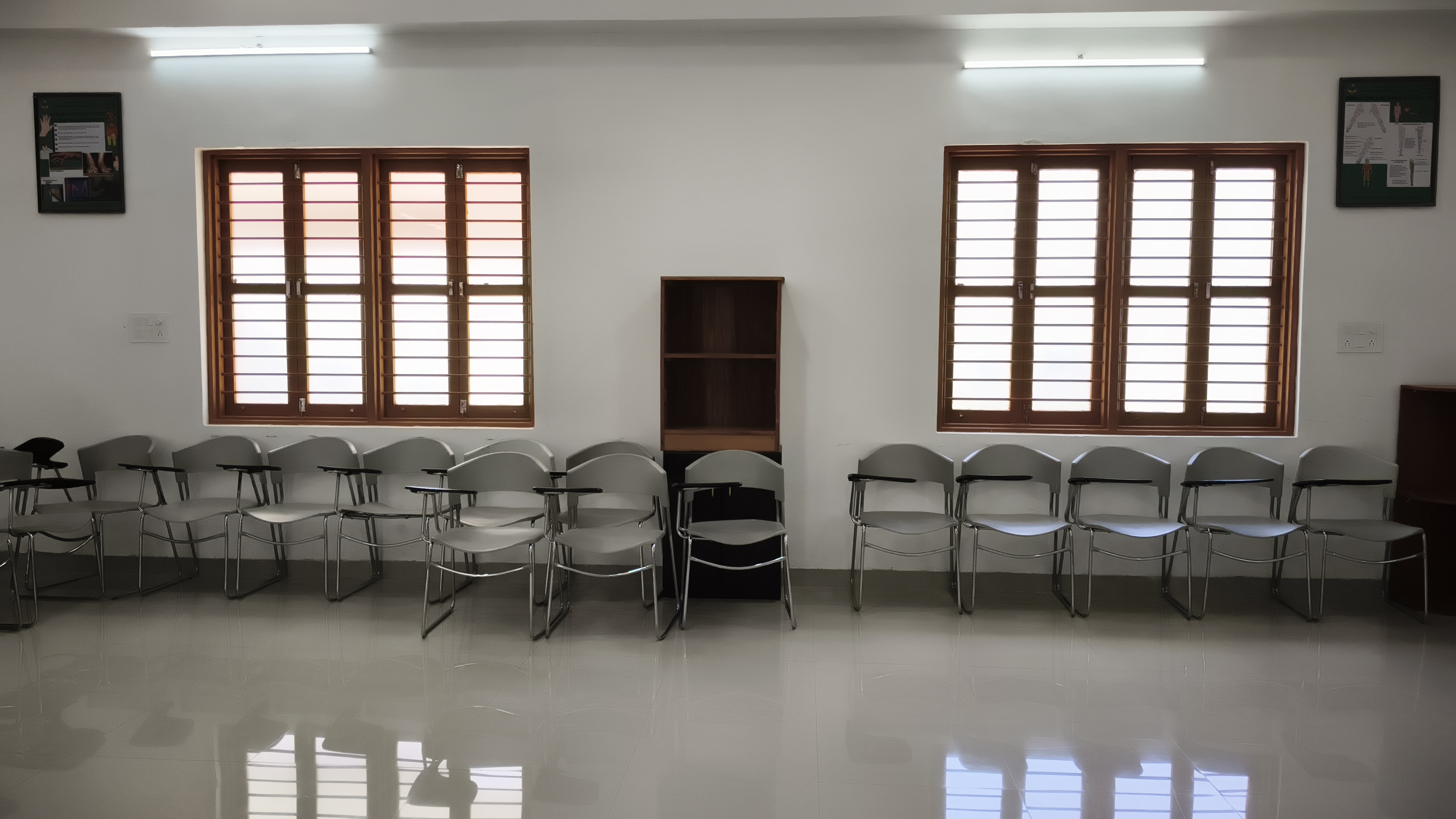
Clinical demonstration rooms
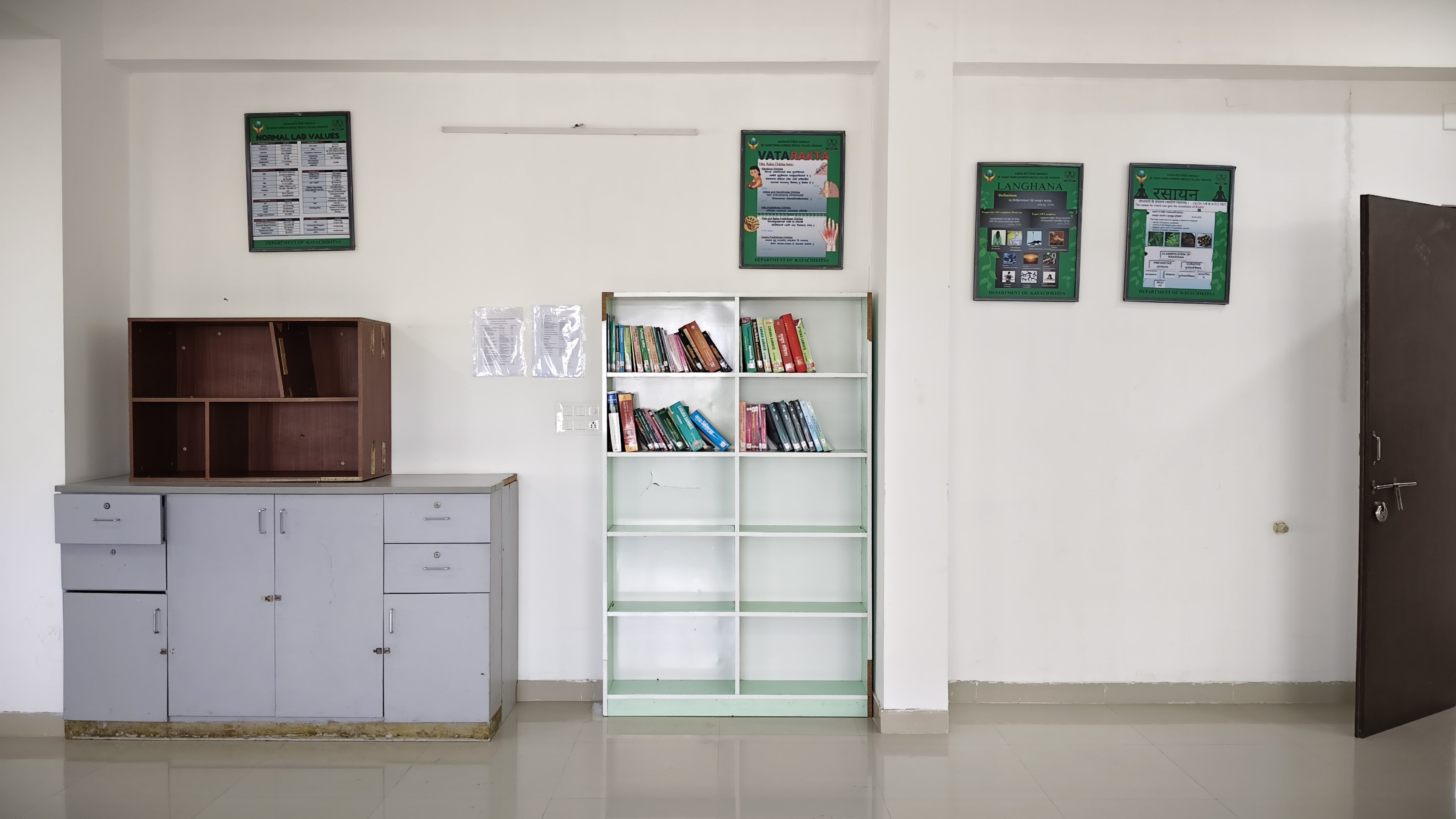
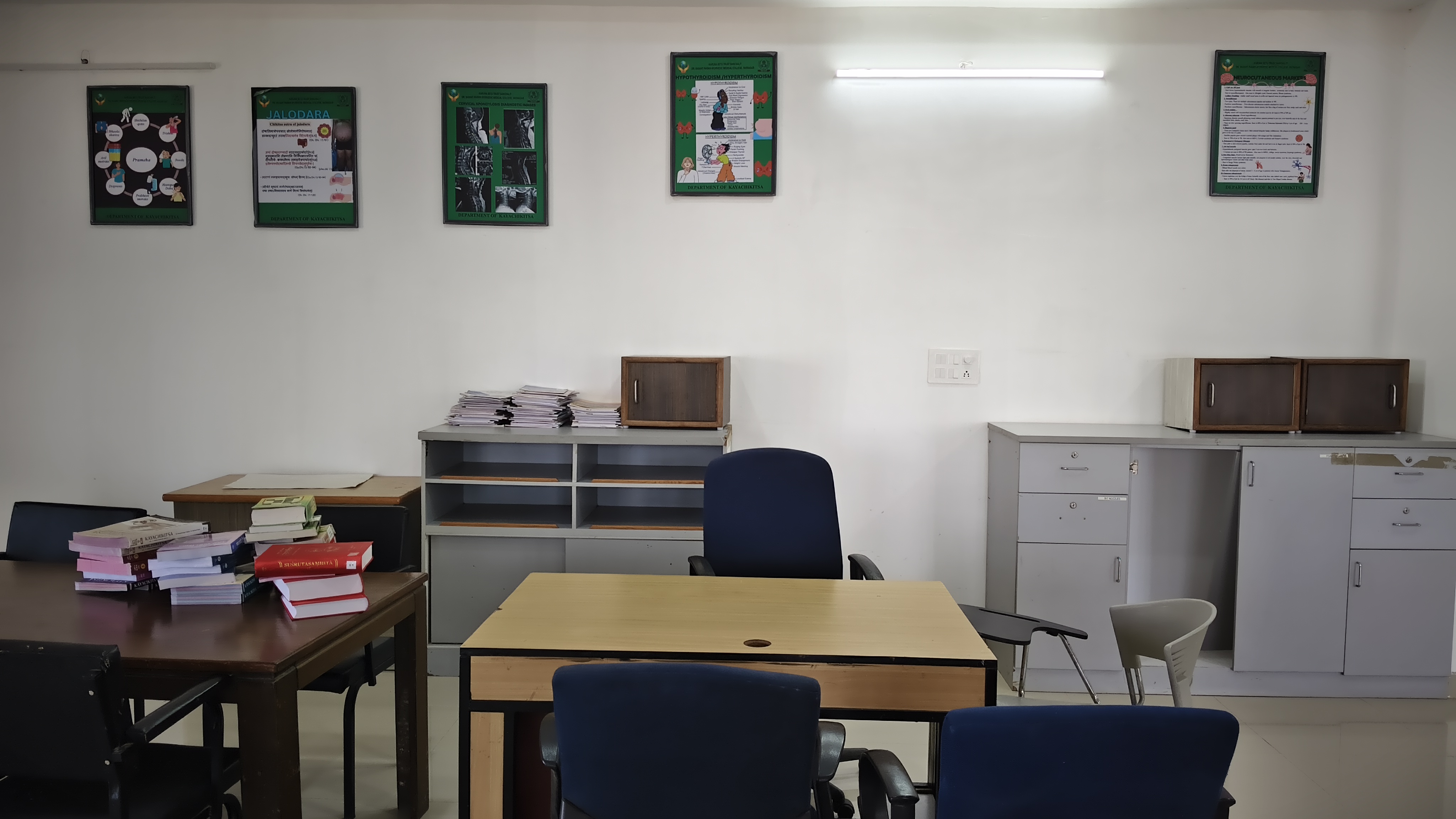
Departmental Library
Audio-visual teaching facilities
Computer and internet-enabled learning resources
Clinical skill development facilities
Infrastructure developed as per NCISM norms
Daily clinical rounds
Bedside case presentations
Clinical seminars
Journal clubs
Grand rounds
Clinical case discussions
Research presentations
Internal assessments and viva voce
Community health programmes
Upon completion of the course, students will be able to:
Diagnose and manage common acute and chronic diseases using Ayurvedic principles.
Develop individualized treatment protocols based on Dosha, Dushya, Agni, and Prakriti.
Integrate Panchakarma, Rasayana, and lifestyle interventions into patient management.
Demonstrate sound clinical reasoning and ethical medical practice.
Apply evidence-based Ayurvedic medicine in routine clinical care.
The department prepares graduates for careers in clinical practice, multispecialty Ayurvedic hospitals, postgraduate education, teaching, research, Panchakarma centres, integrative healthcare, wellness medicine, lifestyle clinics, and public health services.
Extensive OPD and IPD clinical exposure
Hands-on training in Internal Medicine and Panchakarma
Experienced faculty with strong clinical expertise
Case-based and bedside teaching
Integration of classical Ayurveda with modern diagnostics
Research-oriented academic environment
Community outreach and preventive healthcare programmes
NCISM-compliant clinical infrastructure