
PANCHAKARMA
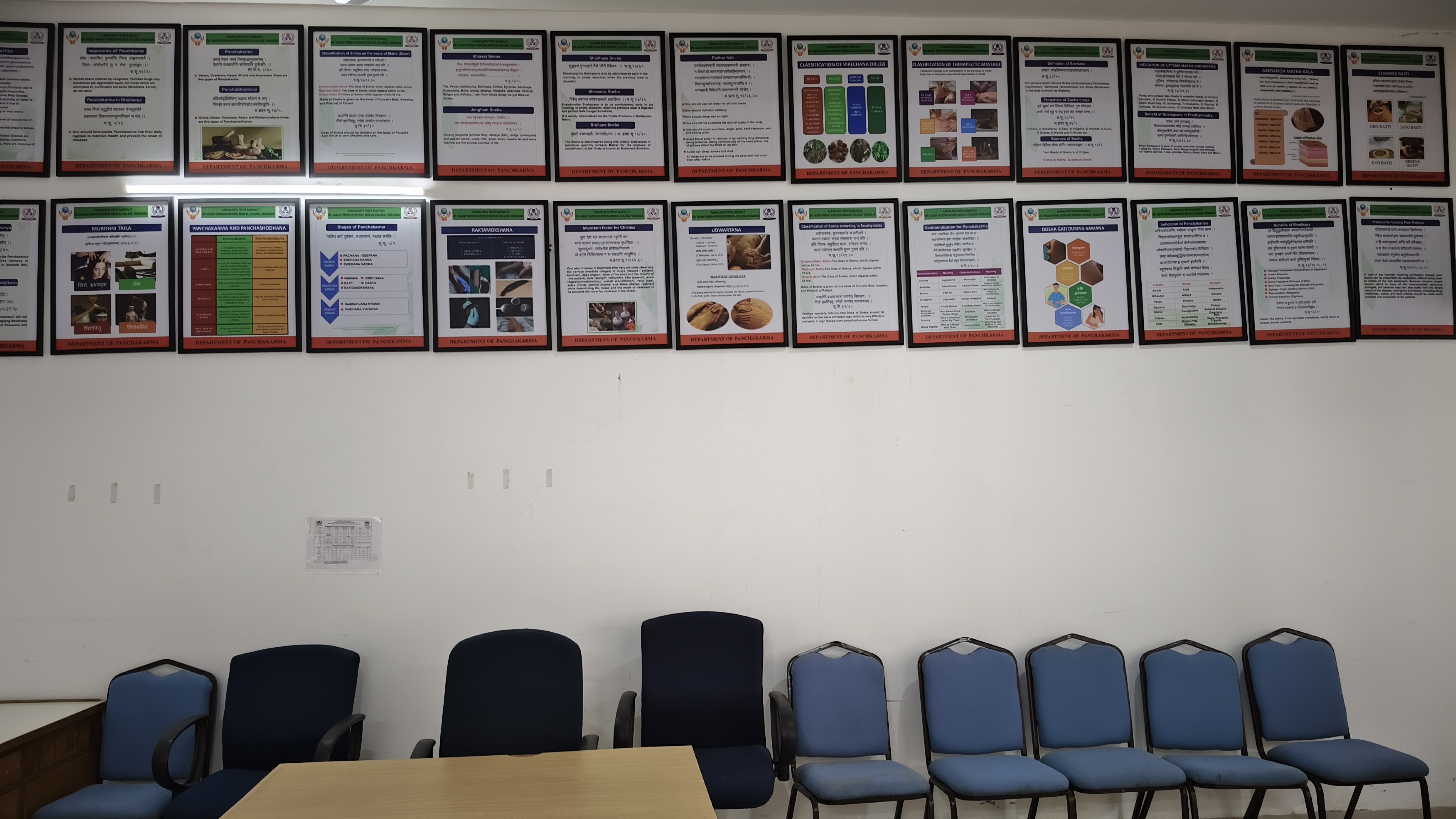
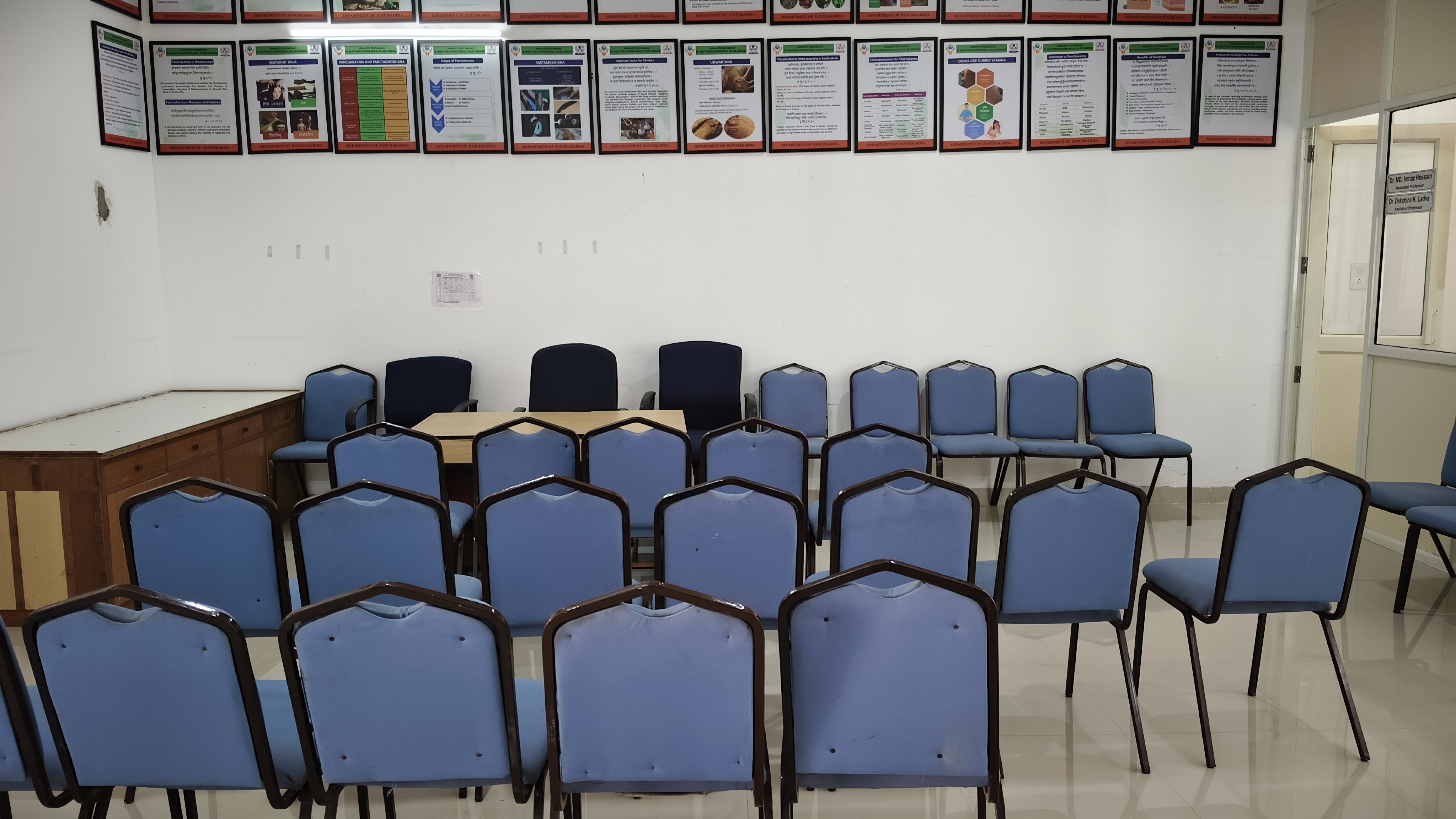
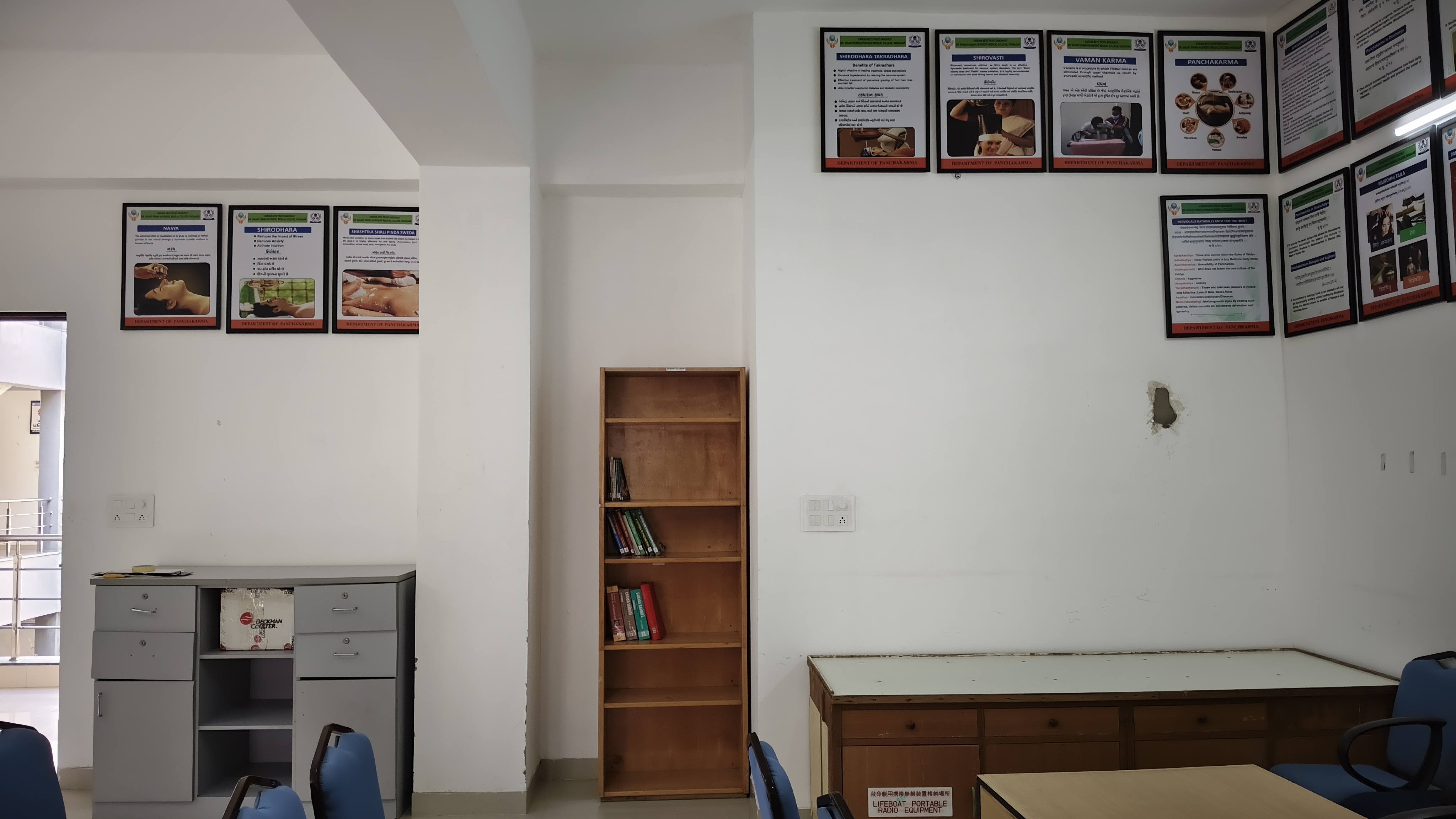
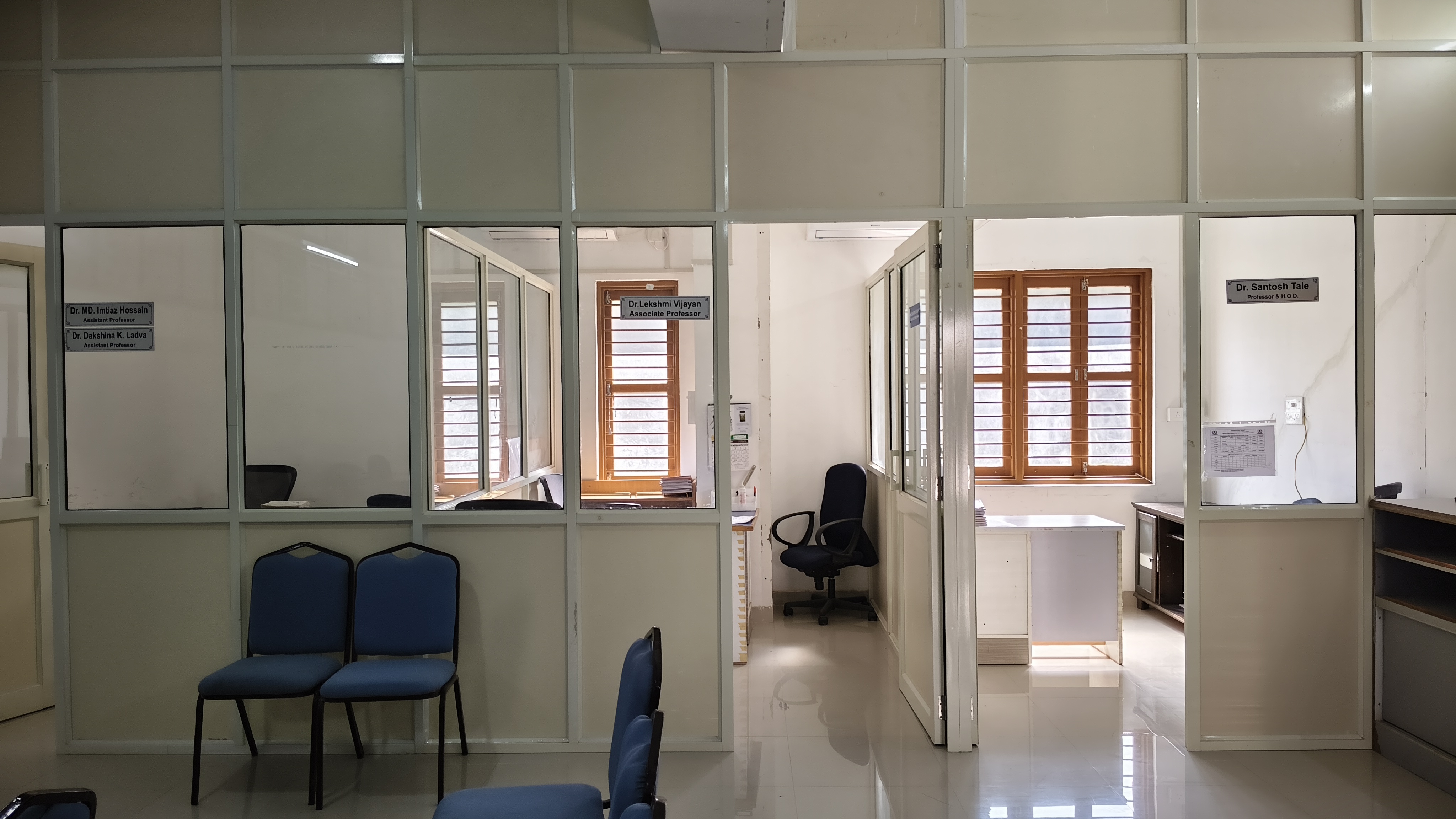
DEPARTMENT OF PANCHAKARMA
The Department of Panchakarma is dedicated to the study and practice of Ayurveda's specialized purification and rejuvenation therapies. Panchakarma plays a vital role in preventive, promotive, curative, and rehabilitative healthcare by eliminating accumulated toxins, restoring Dosha balance, and improving overall health. The department provides comprehensive academic instruction along with hands-on clinical training through its well-equipped Panchakarma Centre, enabling students to master classical therapeutic procedures while integrating them with modern clinical practice.
VISION
To be a centre of excellence in Panchakarma education, clinical practice, and research by promoting authentic Ayurvedic detoxification and rejuvenation therapies for holistic healthcare.
MISSION
To impart comprehensive theoretical and practical education in Panchakarma.
To preserve and promote authentic Ayurvedic therapeutic procedures.
To provide quality patient care through individualized Panchakarma treatments.
To encourage research, innovation, and evidence-based clinical practice.
To develop competent Ayurvedic physicians with strong clinical and ethical values.
AIMS
To develop expertise in Panchakarma procedures and clinical application.
To provide hands-on training in classical purification and rejuvenation therapies.
To integrate Panchakarma with preventive and lifestyle-based healthcare.
To prepare students for independent clinical practice and advanced education.
OBJECTIVES OF THE DEPARTMENT
Understand the principles and indications of Panchakarma therapies.
Learn patient selection, preparation, procedure, and post-procedure care.
Perform classical Panchakarma treatments under expert supervision.
Correlate classical Panchakarma concepts with modern clinical practice.
Promote preventive healthcare through detoxification and rejuvenation therapies.
Encourage research and scientific validation of Panchakarma.
COURSES OFFERED
Bachelor of Ayurvedic Medicine and Surgery (BAMS)
Subject: Panchakarma (NCISM Curriculum)
CORE AREAS OF STUDY
Purvakarma (Preparatory Procedures)
Panchakarma Principles
Vamana
Virechana
Basti Therapy
Nasya Karma
Raktamokshana
Paschat Karma
Upakarma Procedures
Lifestyle and Preventive Panchakarma
TEACHING METHODOLOGY
Interactive classroom lectures
Clinical demonstrations
Hands-on Panchakarma training
Live patient exposure
Case discussions
Audio-visual learning
Student seminars and presentations
Clinical postings
CLINICAL FACILITIES
Fully functional Panchakarma OPD & IPD
Separate male and female therapy units
Dedicated therapy rooms
Steam chamber and Swedana units
Shirodhara unit
Basti procedure room
Nasya therapy unit
Abhyanga and massage rooms
Qualified Panchakarma therapists
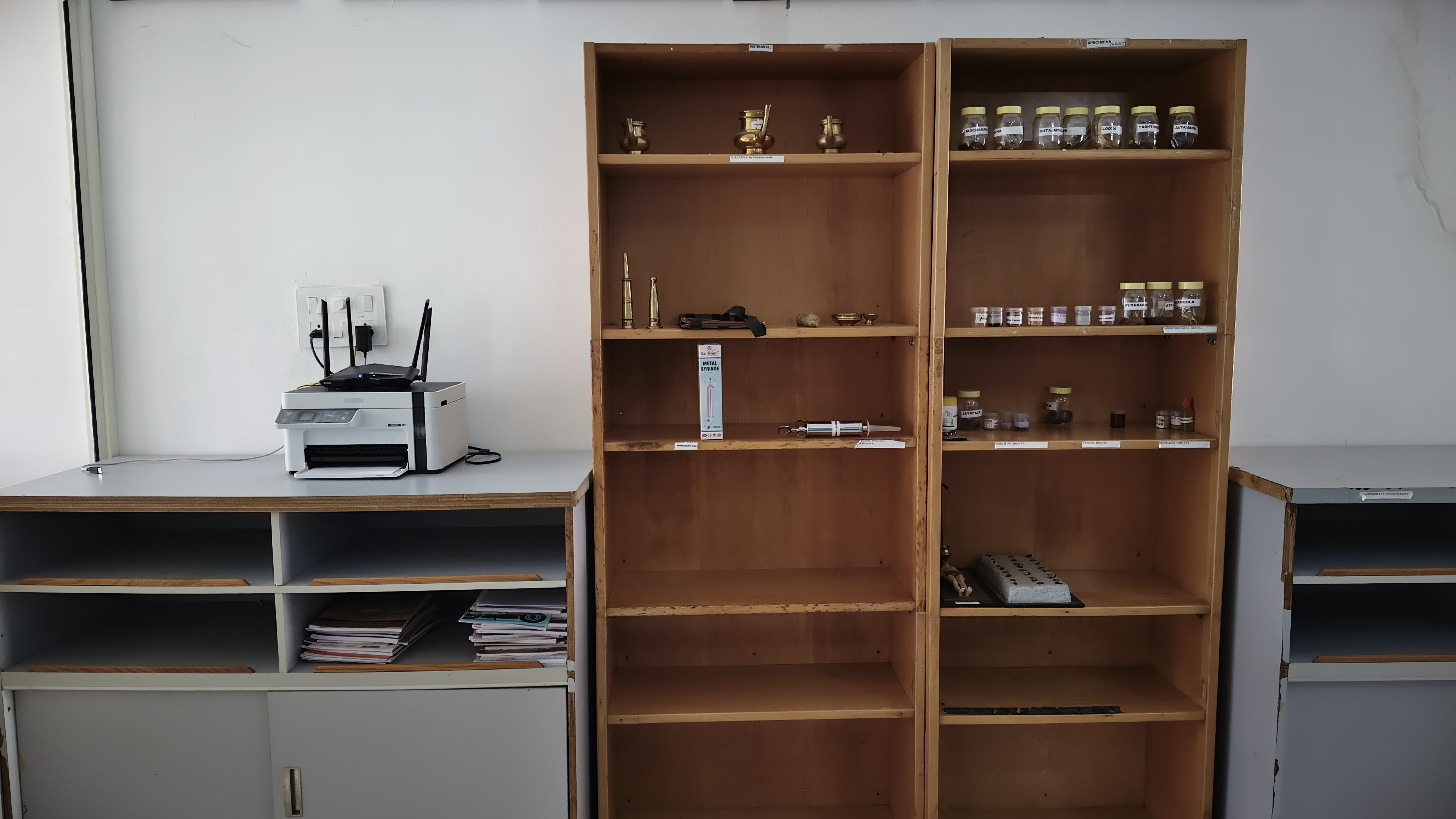
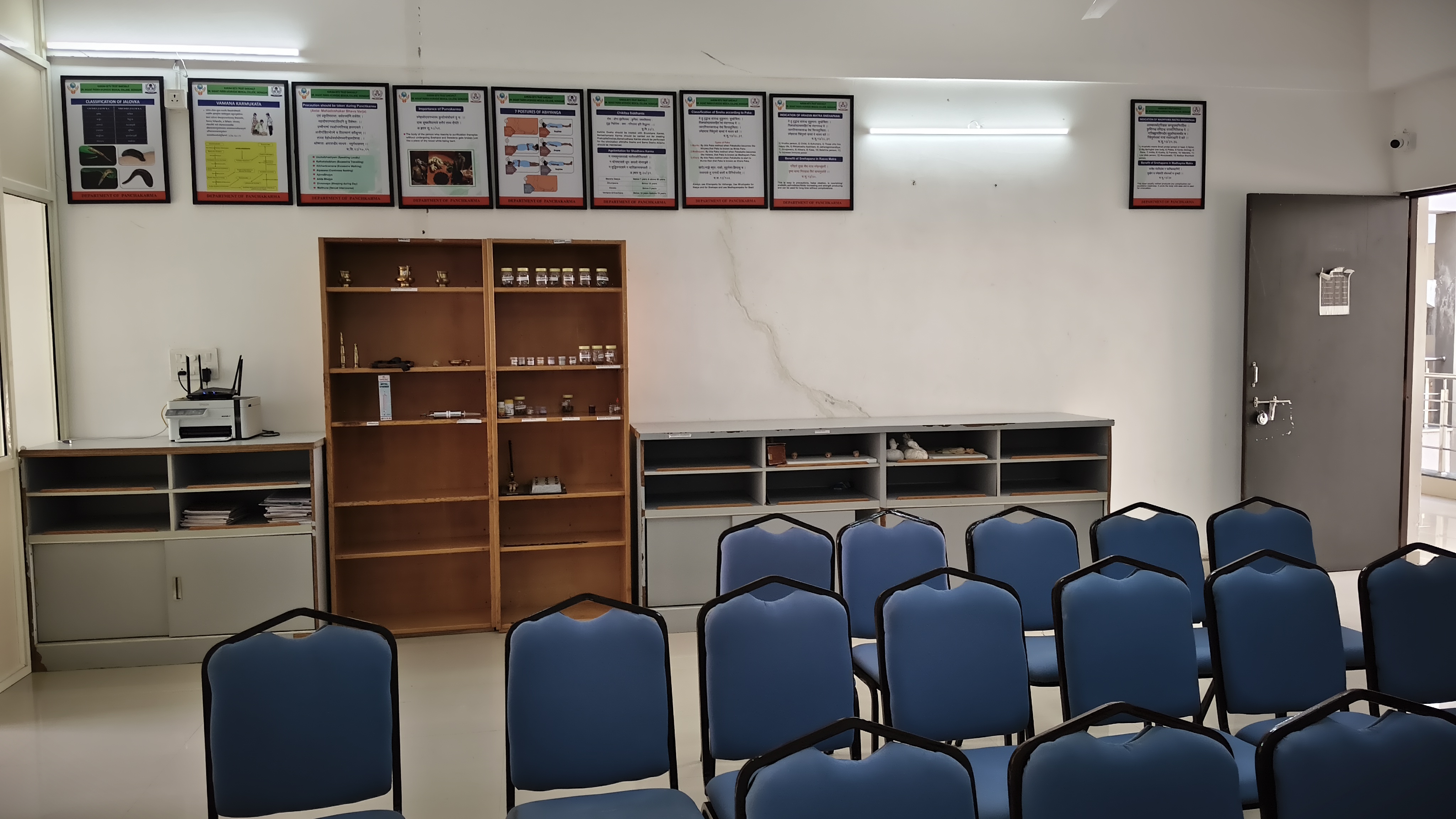
Departmental library and teaching models
Audio-visual teaching facilities
NCISM-compliant infrastructure
MAJOR THERAPIES PROVIDE
Vamana
Virechana
Basti (Niruha & Anuvasana)
Nasya
Raktamokshana
Abhyanga
Swedana
Shirodhara
Pizhichil
Udvartana
Kati Basti
Greeva Basti
Janu Basti
Hrid Basti
Lepana and other supportive Upakarma therapies
ACADEMIC ACTIVITIES
Clinical postings
Panchakarma demonstrations
Case presentations
Student seminars
CME programmes
Workshops on Panchakarma procedures
Health camps
Internal assessments and practical examinations
STUDENT OUTCOMES
Upon successful completion, students will be able to:
Perform Panchakarma procedures safely and effectively.
Assess patients for appropriate Panchakarma therapies.
Integrate Panchakarma into disease management and preventive healthcare.
Develop clinical confidence in therapeutic procedures.
Apply Ayurvedic principles for detoxification, rejuvenation, and lifestyle modification.
Pursue advanced education and clinical specialization.
FUTURE SCOPE
Graduates develop a strong foundation for careers in:
Ayurvedic Clinical Practice
Panchakarma Specialty Centres
Wellness & Integrative Healthcare
Higher Studies (MD Panchakarma)
Teaching and Academics
Clinical Research
Hospital-based Panchakarma Practice
DEPARTMENT HIGHLIGHTS
Dedicated Panchakarma Centre with modern treatment facilities
Extensive hands-on clinical exposure
Authentic classical Panchakarma procedures
Individualized patient care based on Prakriti and Vikriti
Experienced faculty and trained therapists
Research-oriented academic environment
Preventive, promotive, and rehabilitative healthcare approach
Community outreach through Panchakarma awareness and wellness camps
NCISM-compliant infrastructure and clinical facilities