
To become a centre of excellence in Ayurvedic anatomy education by integrating classical knowledge with modern anatomical sciences and promoting excellence in teaching, research, and clinical application.
To develop thorough understanding of human anatomy according to Ayurveda.
To correlate classical anatomical concepts with modern human anatomy.
To strengthen observational and analytical skills through cadaveric dissection.
To prepare students for clinical subjects requiring anatomical expertise.
Understand Sharira Rachana according to Ayurvedic classics & Modern Medical Science
Study of regional systematic Anatomy
Study organs, tissues, Srotas, Marma, Asthi, Sandhi, and Snayu.
Perform cadaveric dissection safely and ethically.
Correlate Ayurvedic anatomy with modern anatomical structures.
Develop practical anatomical knowledge essential for diagnosis and surgery.
Bachelor of Ayurvedic Medicine and Surgery (BAMS)
Subjects: Rachana Sharir (NCISM Curriculum)
Sharira Rachana
Osteology
Myology
Angiology
Neurology
Marma Sharir
Embryology (Garbha Sharir)
Cadaveric Dissection
Surface Anatomy & Specimens
Modern Human Anatomy
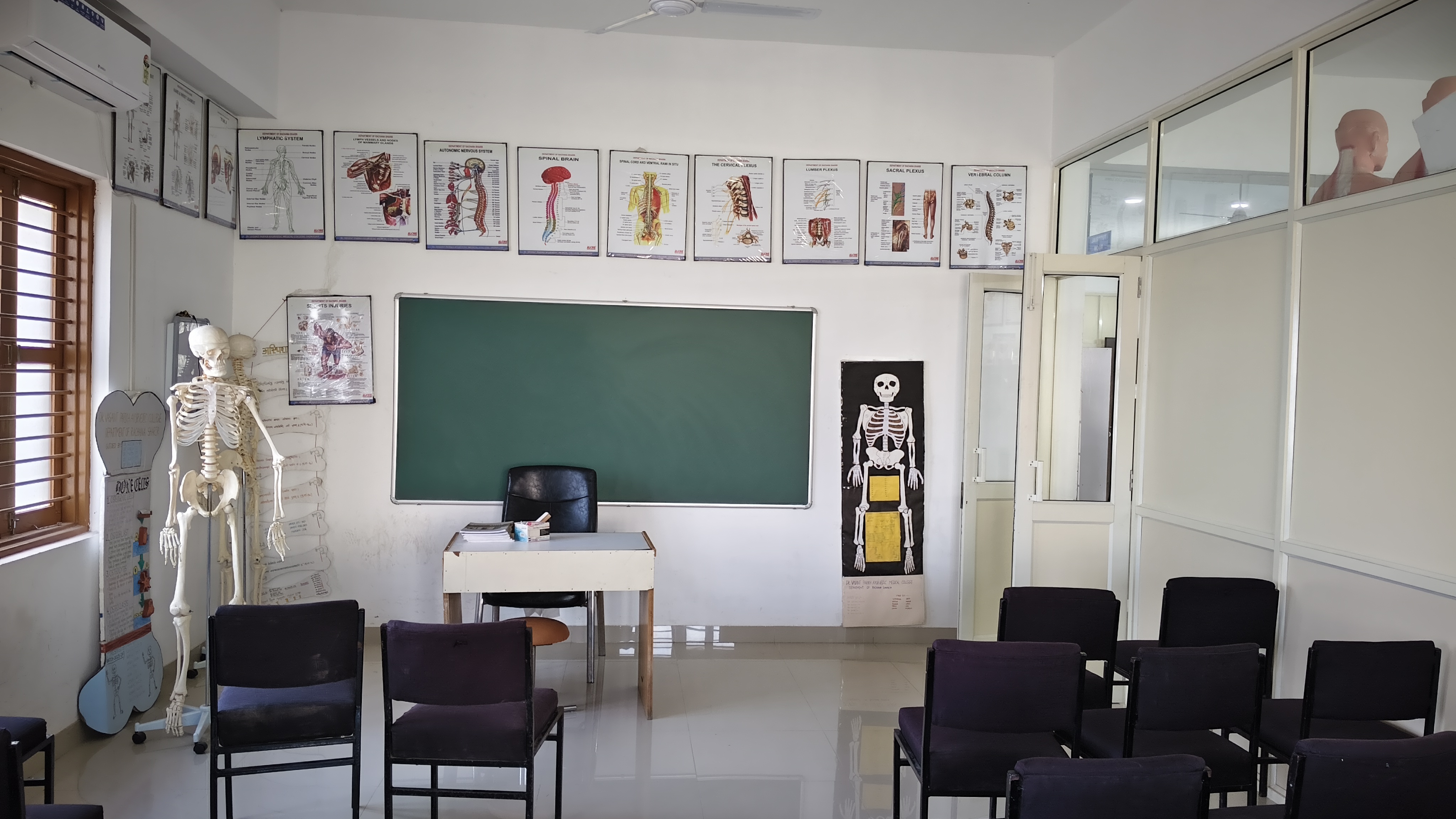
Interactive classroom lectures
Cadaveric dissection
Osteology demonstrations
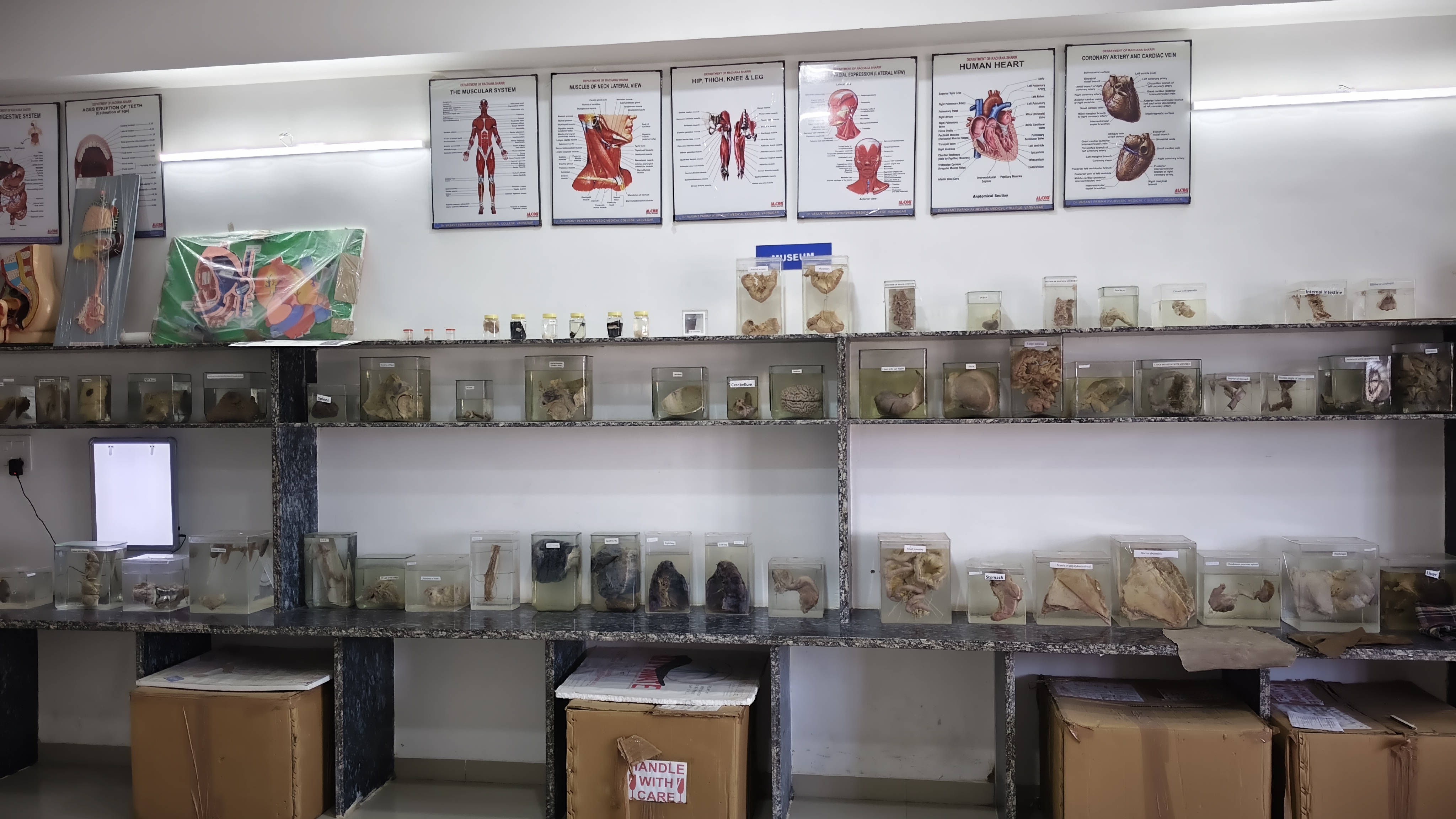
Anatomy museum teaching
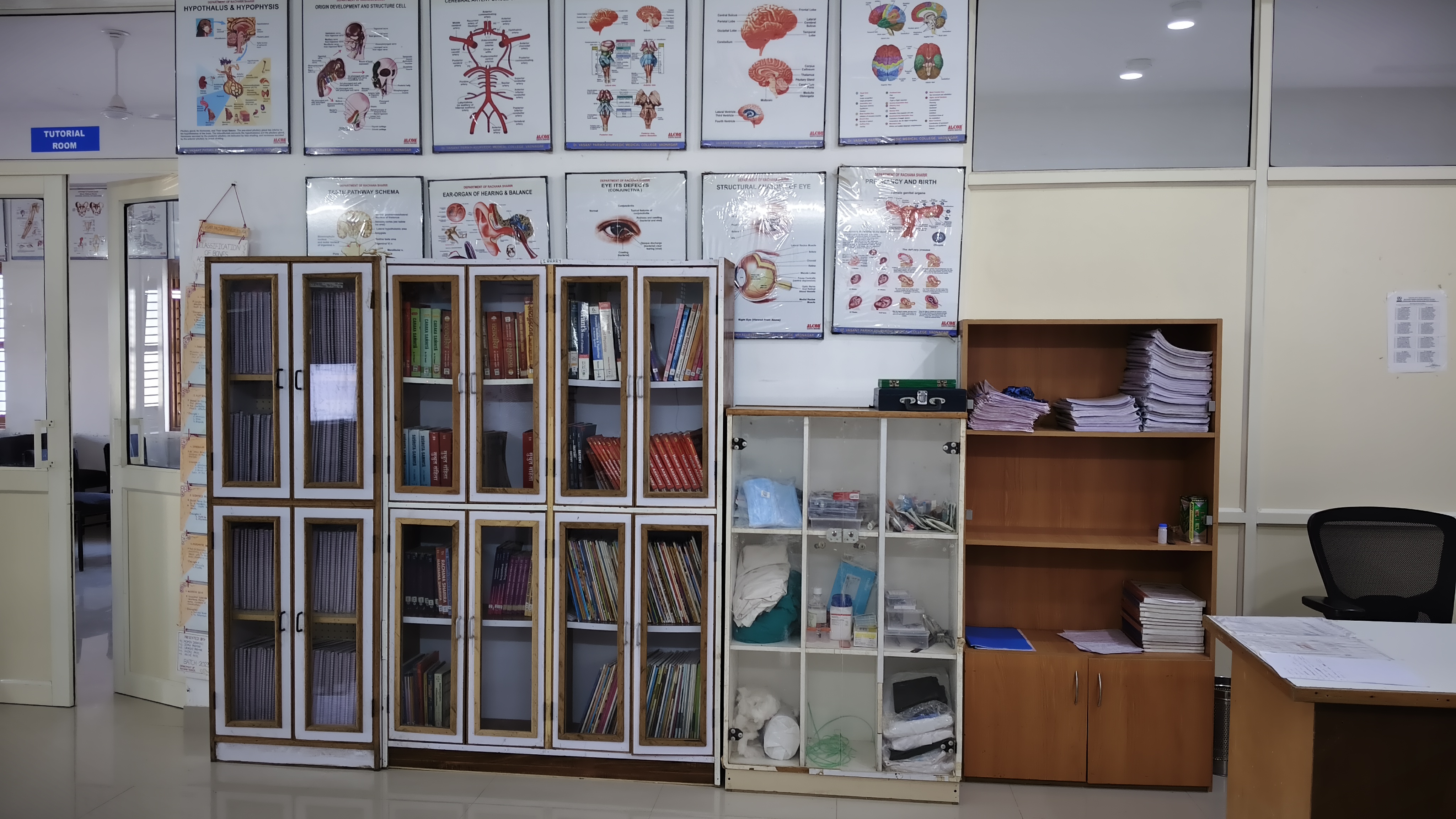
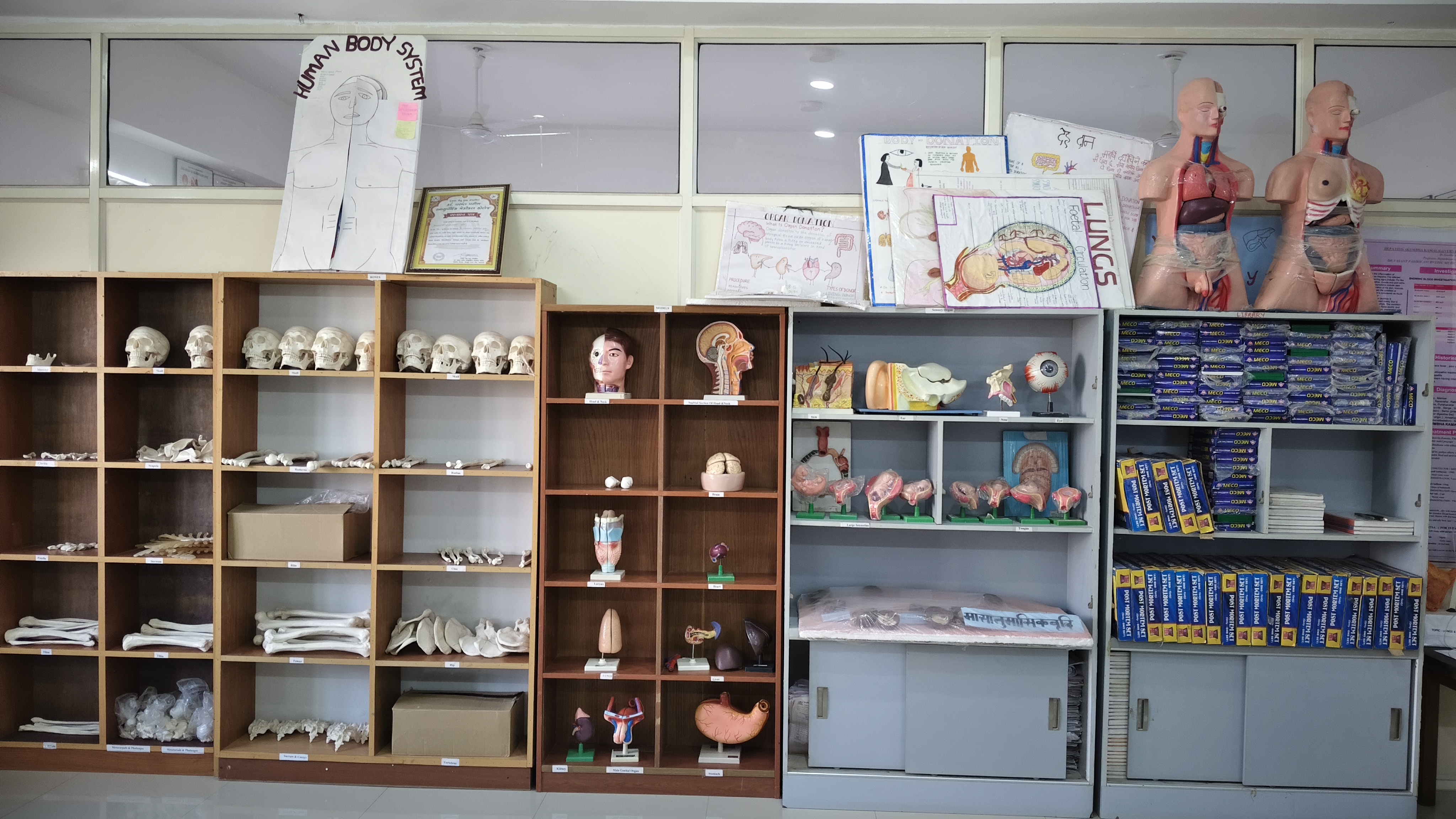
Models and charts
Audio-visual learning
Tutorials and seminars
Practical demonstrations
Smart board classes
Videos in smart T.V. for dissection
Well-equipped Dissection Hall with O.T lights and A.C
Cadaver preservation facility
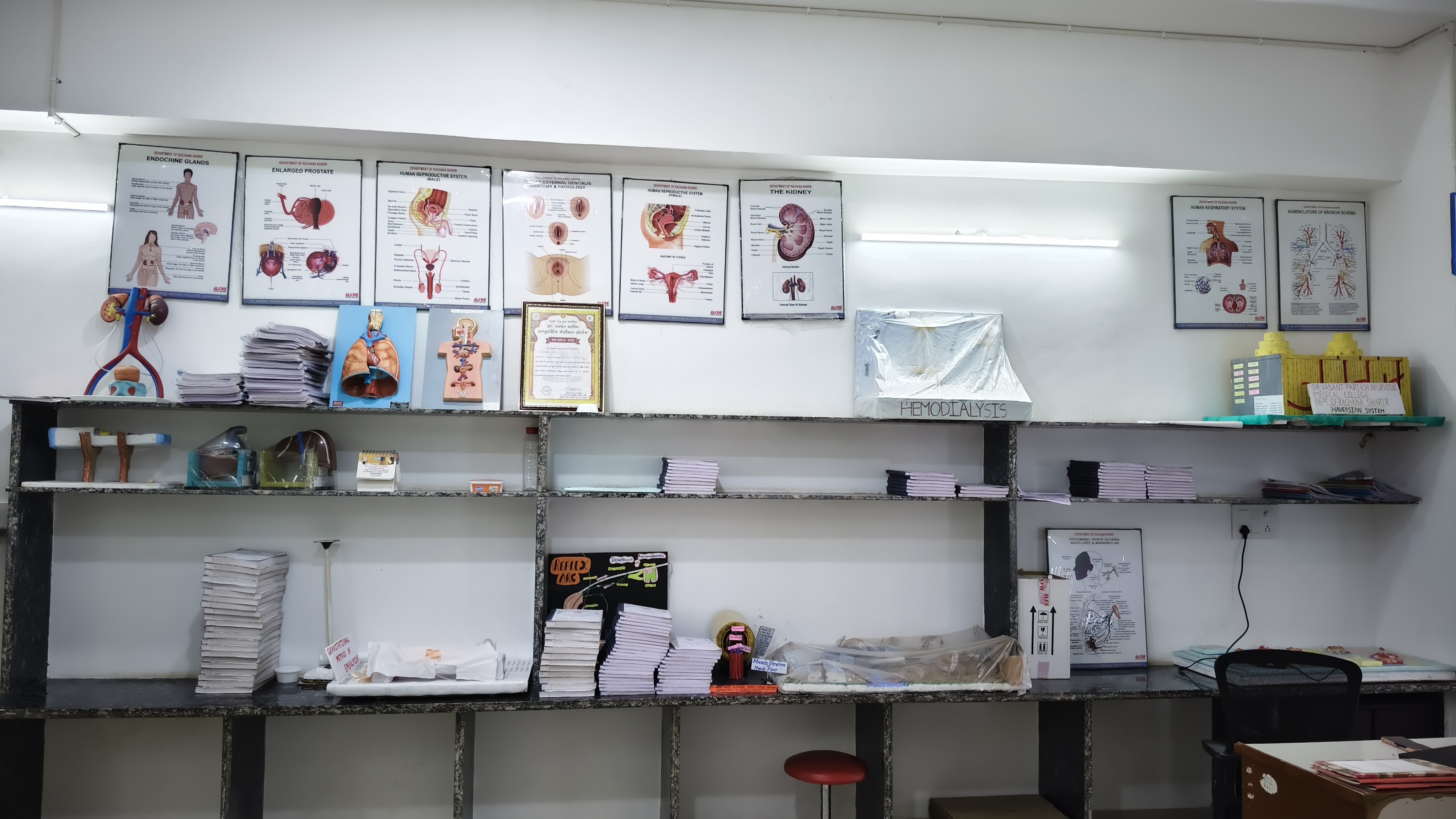
Anatomy Museum
Osteology specimens
Articulated and non articulated cadavers models
Histology and anatomical models
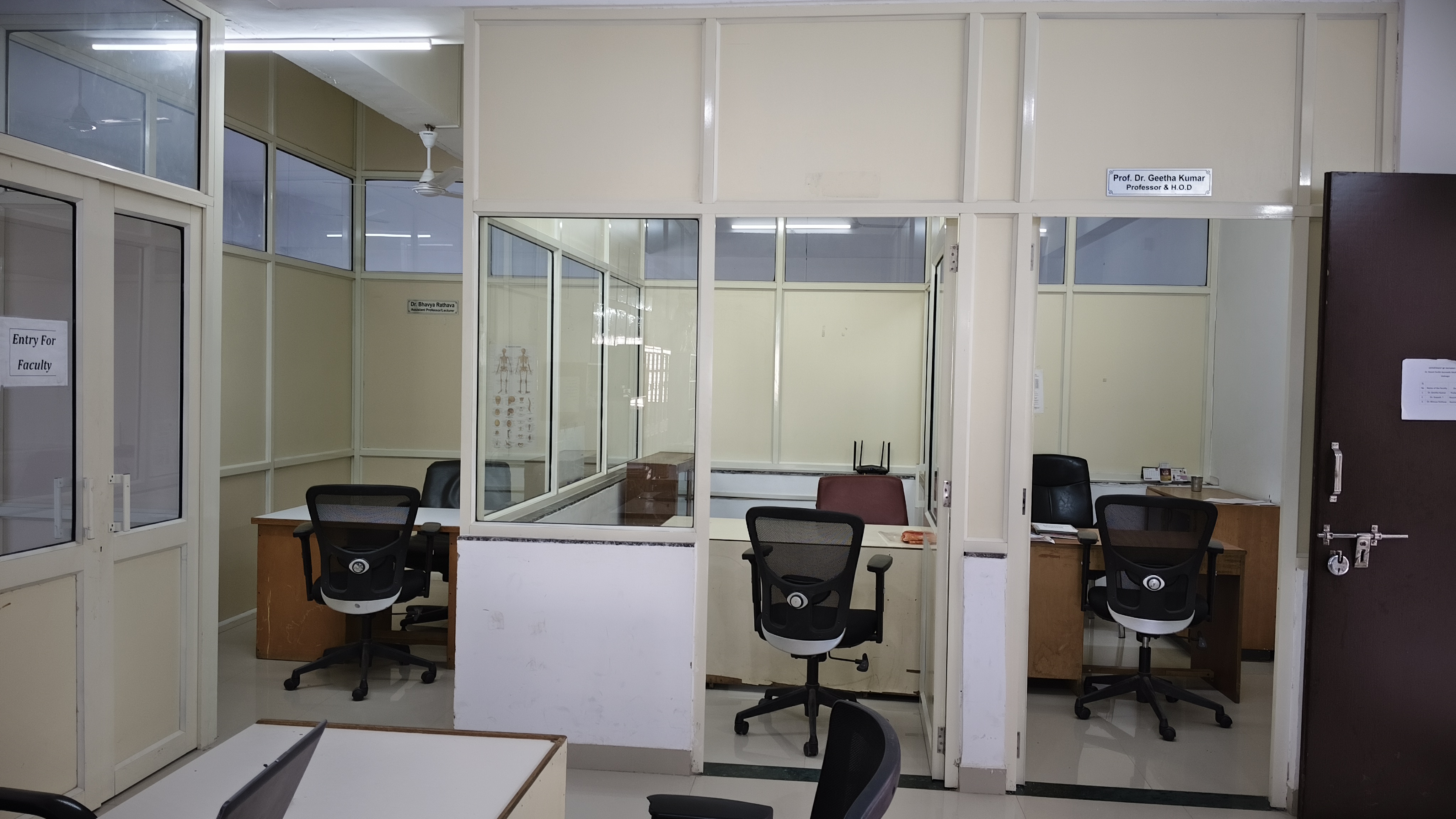
Departmental Library
Audio-visual teaching aids
Computer and internet-enabled learning resources
Infrastructure developed as per NCISM norms
Dissection table measuring tape roller, dissection kit, bone set, microscope, histological slides, storage cabinets,wash basin, Hand washing station,p.p.e,gloves,facemask, biohazard waste bins, first aid kit, fire extinguisher,charts,models,posters,organs and body parts.
Cadaveric dissection sessions
Practical demonstrations
Student seminars
Museum-based learning
Tutorials and revision classes
Internal assessments and viva voce
Anatomy exhibitions
Research-oriented academic discussions
Integration clary from other department
Upon completion of the course, students will be able to:
Demonstrate sound knowledge of Ayurvedic and modern anatomy.
Identify normal anatomical structures accurately.
Apply anatomical knowledge in clinical diagnosis and surgical procedures.
Correlate Marma and anatomical structures with clinical practice.
Develop a strong foundation for higher clinical learning.
The department prepares students for advanced clinical subjects including Shalya Tantra, Shalakya Tantra, Panchakarma, Kayachikitsa, postgraduate education, teaching, research, and surgical anatomy.
Comprehensive cadaveric dissection training
Well-equipped Anatomy Museum
Osteology and anatomical specimen collection
Experienced faculty
Integrated Ayurvedic and modern anatomy teaching
Research-oriented academic environment
NCISM-compliant infrastructure