
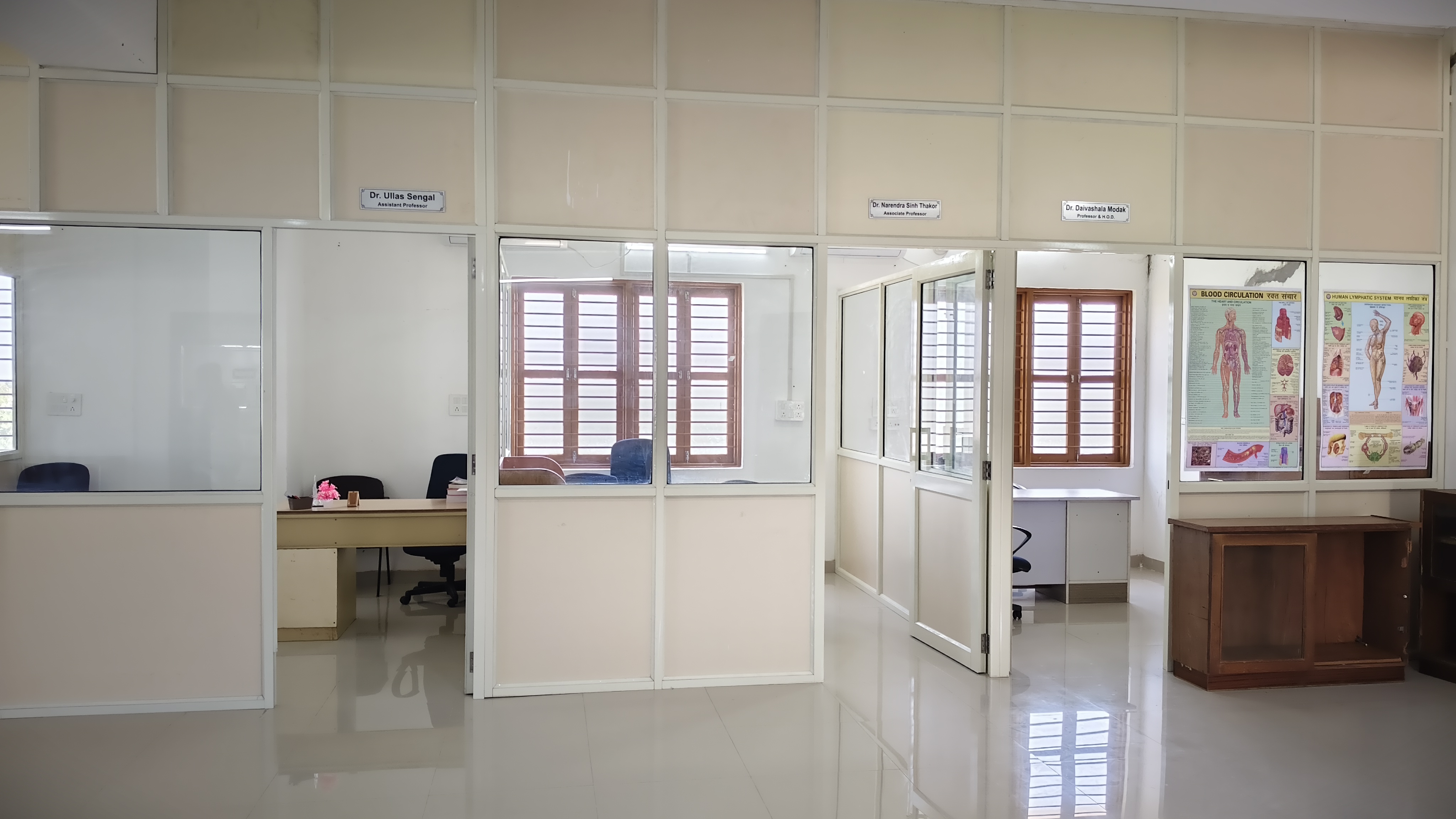
The Department of Shalya Tantra is one of the eight major clinical branches of Ayurveda, dedicated to the
study and practice of Ayurvedic surgery as described in the classical texts, particularly the Sushruta Samhita.
The department provides comprehensive education in surgical principles, para-surgical procedures, diagnosis
and management of surgical disorders through an integration of traditional Ayurvedic knowledge with modern
surgical sciences.
Students receive extensive theoretical instruction, practical demonstrations, clinical exposure, and hands-on
training in surgical techniques, preparing them for competent clinical practice and higher education.
To be a centre of excellence in Ayurvedic surgical education by preserving the rich heritage of Shalya Tantra while integrating contemporary surgical knowledge, clinical excellence, ethical practice, and research.
To impart comprehensive knowledge of classical and modern surgical sciences.
To develop clinical competence through practical and hands-on surgical training.
To promote ethical, patient-centred, and evidence-based surgical practice.
To encourage innovation, research, and lifelong professional learning.
To prepare competent Ayurvedic surgeons capable of serving society with skill and compassion
To build a strong foundation in Ayurvedic surgical principles.
To develop practical skills in surgical and para-surgical procedures.
To integrate classical surgical wisdom with modern clinical approaches.
To strengthen students' confidence in diagnosis, patient care, and surgical decision-making
Understand the principles and applications of Shalya Tantra.
Develop competency in surgical diagnosis and management.
Learn para-surgical procedures such as Ksharasutra, Agnikarma, Jalaukavacharana, and Raktamokshana.
Acquire practical skills in wound management, suturing, bandaging, and minor surgical procedures.
Correlate Ayurvedic surgical concepts with contemporary surgical sciences.
Promote research and evidence-based surgical practice in Ayurveda.
Bachelor of Ayurvedic Medicine and Surgery (BAMS)
Subjects: Shalya Tantra (NCISM Curriculum)
Principles of Ayurvedic Surgery
Sushruta Samhita
Surgical Anatomy
Wound Healing and Wound Management
Ksharasutra Therapy
Agnikarma
Jalaukavacharana (Leech Therapy)
Raktamokshana (Bloodletting)
Minor Surgical Procedures
Pre-operative and Post-operative Care
Interactive classroom lectures
Clinical demonstrations
Surgical skill workshops
Practical laboratory sessions
Case discussions
Bedside teaching
Audio-visual learning
Seminars and journal presentations
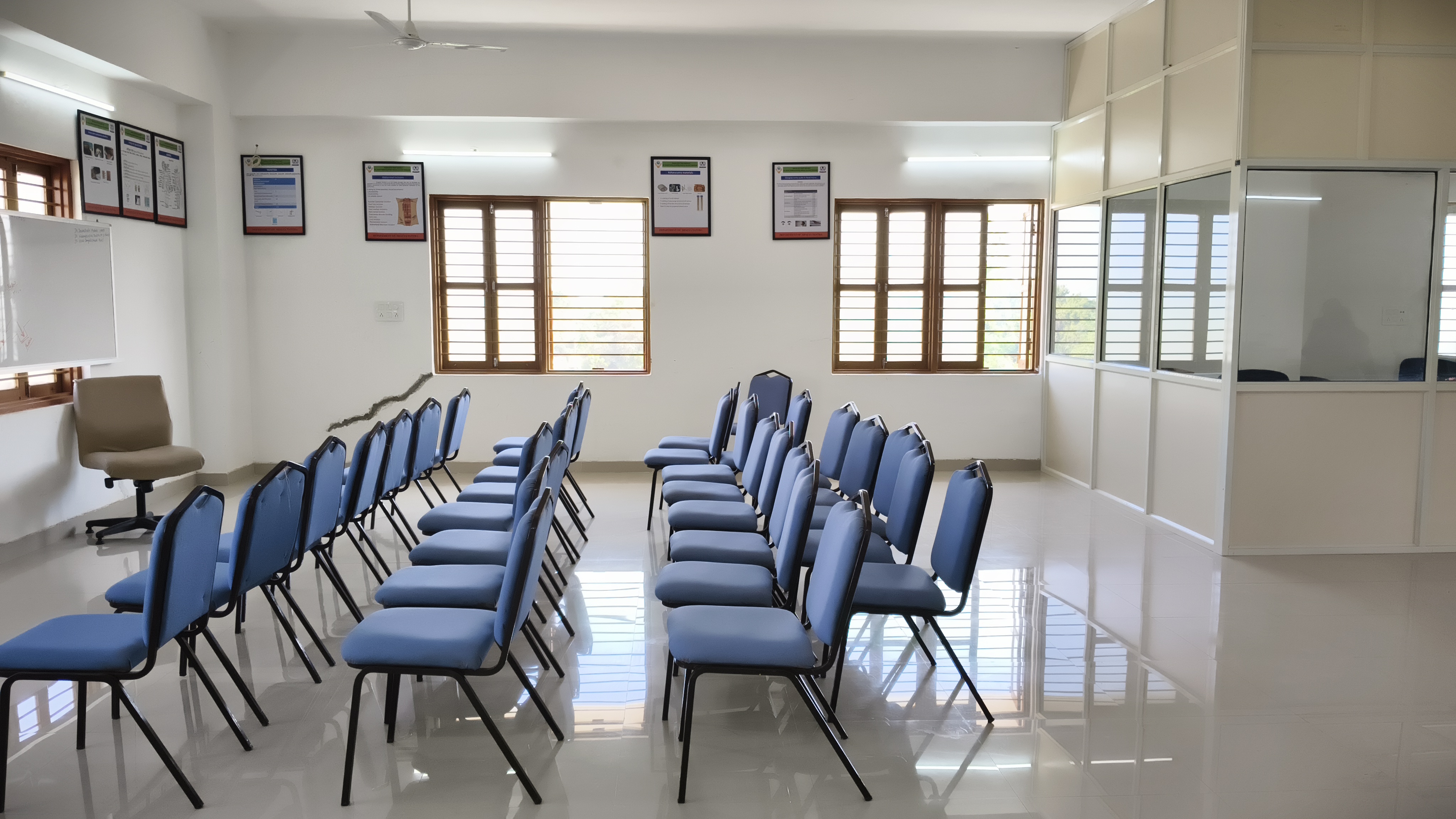
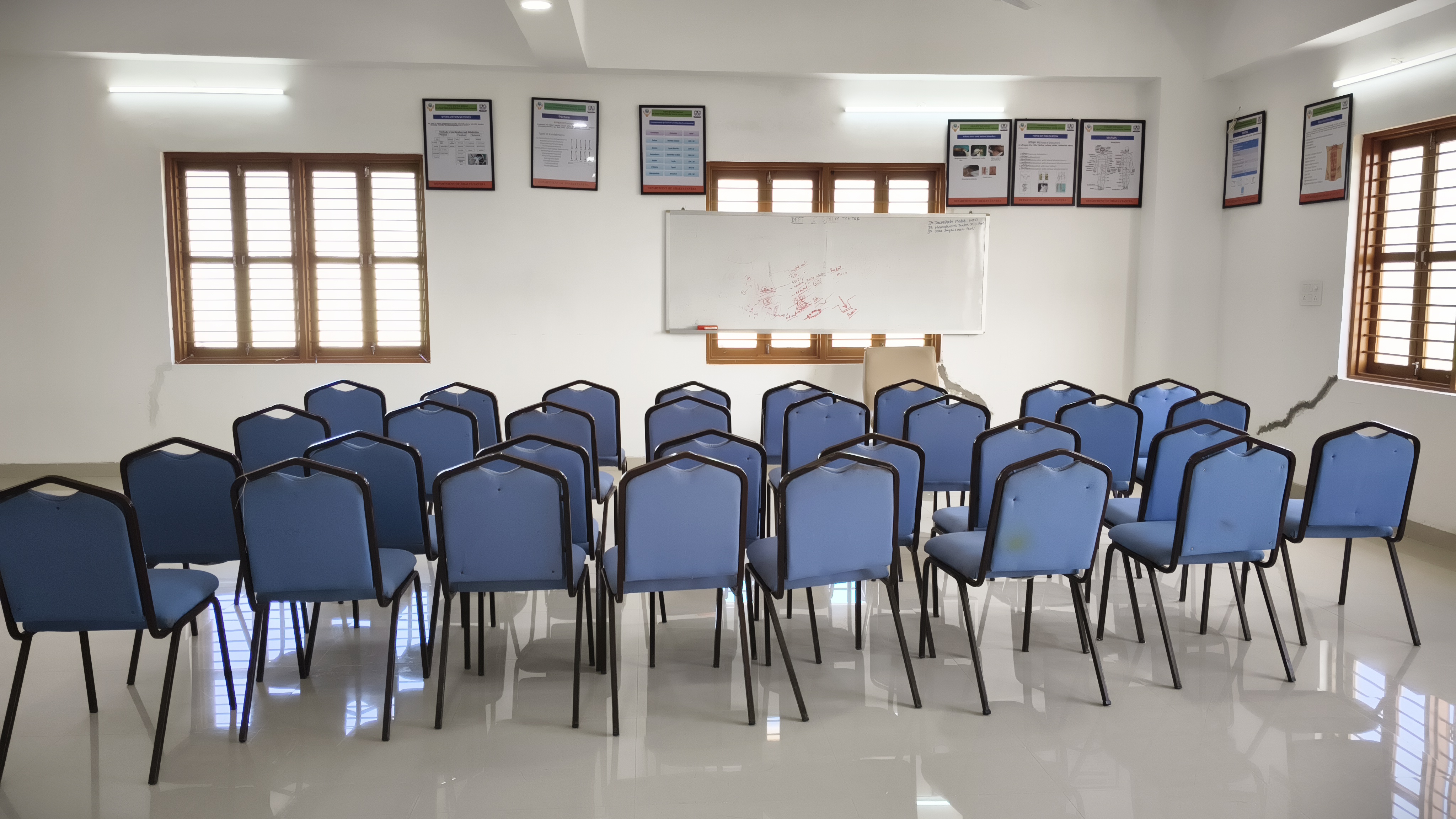
Surgical demonstration room
Minor OT skill training setup
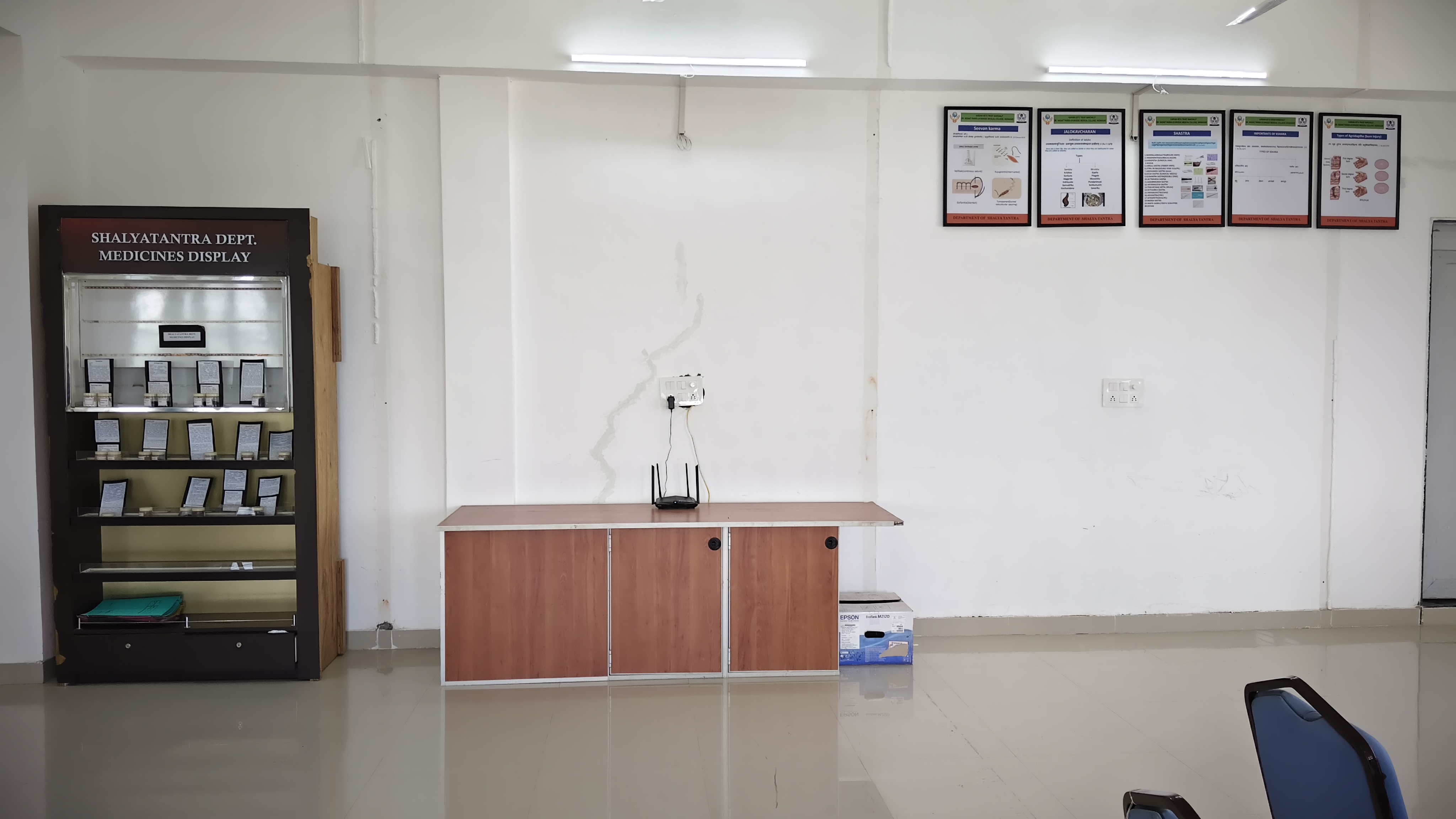
Surgical instruments and models
Suturing and bandaging practice stations
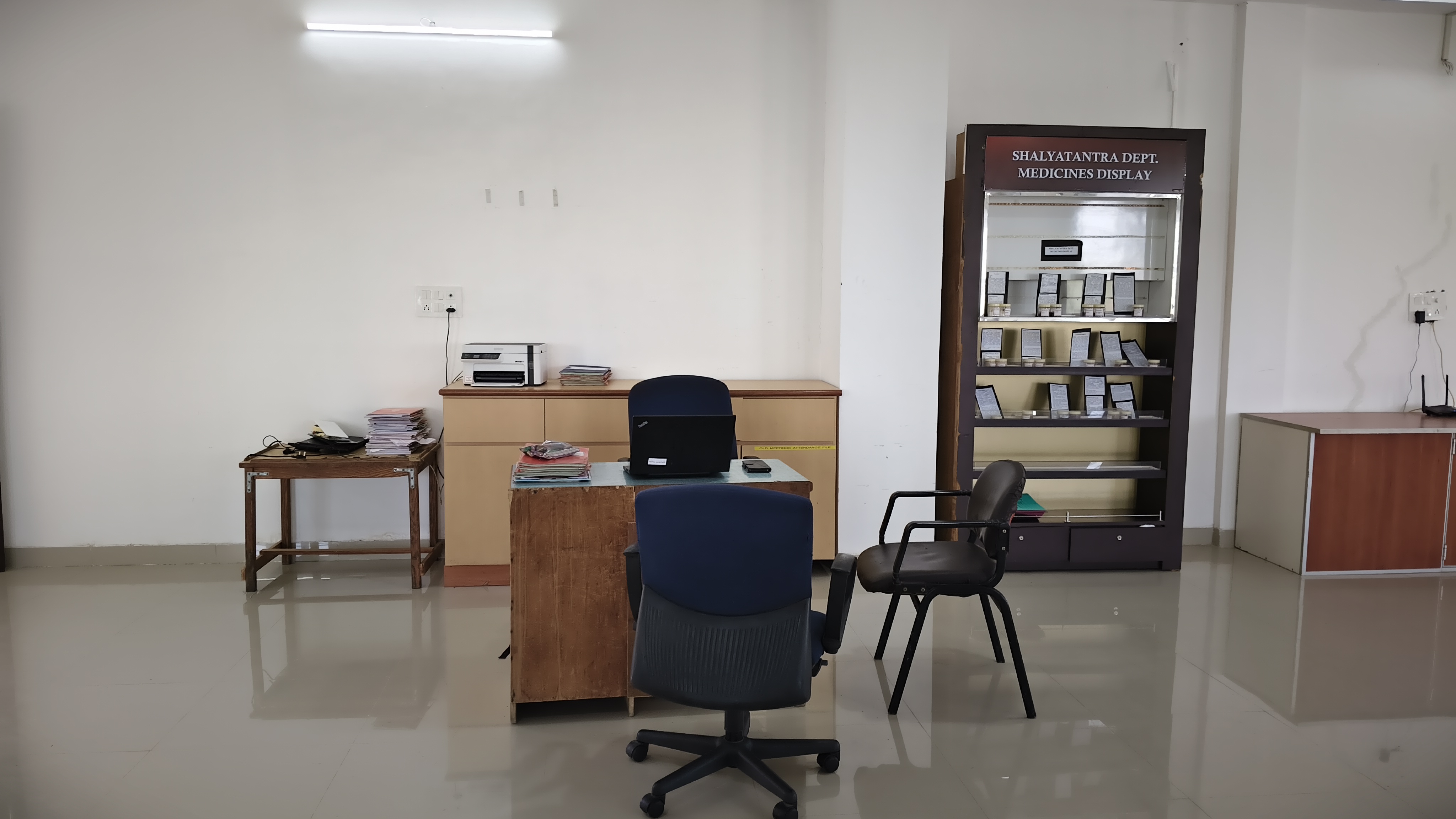
Clinical teaching facilities
Departmental museum and specimen collection
Departmental library
Audio-visual teaching aids
Yogya skill lab with different demonstration models for Procedures of IV Insertion, RT, Urinary Catheterization
(Male and Female), Trauma model, CPR Models etc.
Infrastructure developed as per NCISM norms
Clinical postings
Surgical practical demonstrations
Suturing and bandaging workshops
Student seminars
Journal clubs
Internal assessments and viva voce
Case presentations
Clinical skill development sessions
Upon completion of the course, students will be able to:
Diagnose common surgical disorders using Ayurvedic principles.
Perform basic surgical and para-surgical procedures safely.
Apply principles of wound care and post-operative management.
Integrate Ayurvedic surgical concepts with modern clinical practice.
Develop confidence in clinical decision-making and patient management.
The department prepares students for careers in Ayurvedic surgical practice, Ksharasutra therapy, Panchakarma centres, postgraduate education (MS Shalya Tantra), teaching, research, hospital practice, and integrative surgical healthcare.
Strong foundation in the surgical principles of Sushruta Samhita
Hands-on training in Ksharasutra, Agnikarma, and para-surgical procedures
Well-equipped practical laboratory with surgical instruments and simulation models
Clinical exposure through the attached teaching hospital
Experienced faculty with emphasis on skill-based learning
Research-oriented academic environment
Integration of classical Ayurvedic surgery with modern surgical concepts
NCISM-compliant teaching and practical infrastructure